Nobody owns anything anymore, including the people who own things.
We added up one household's monthly subscriptions and found a second rent hiding in seven-dollar increments.
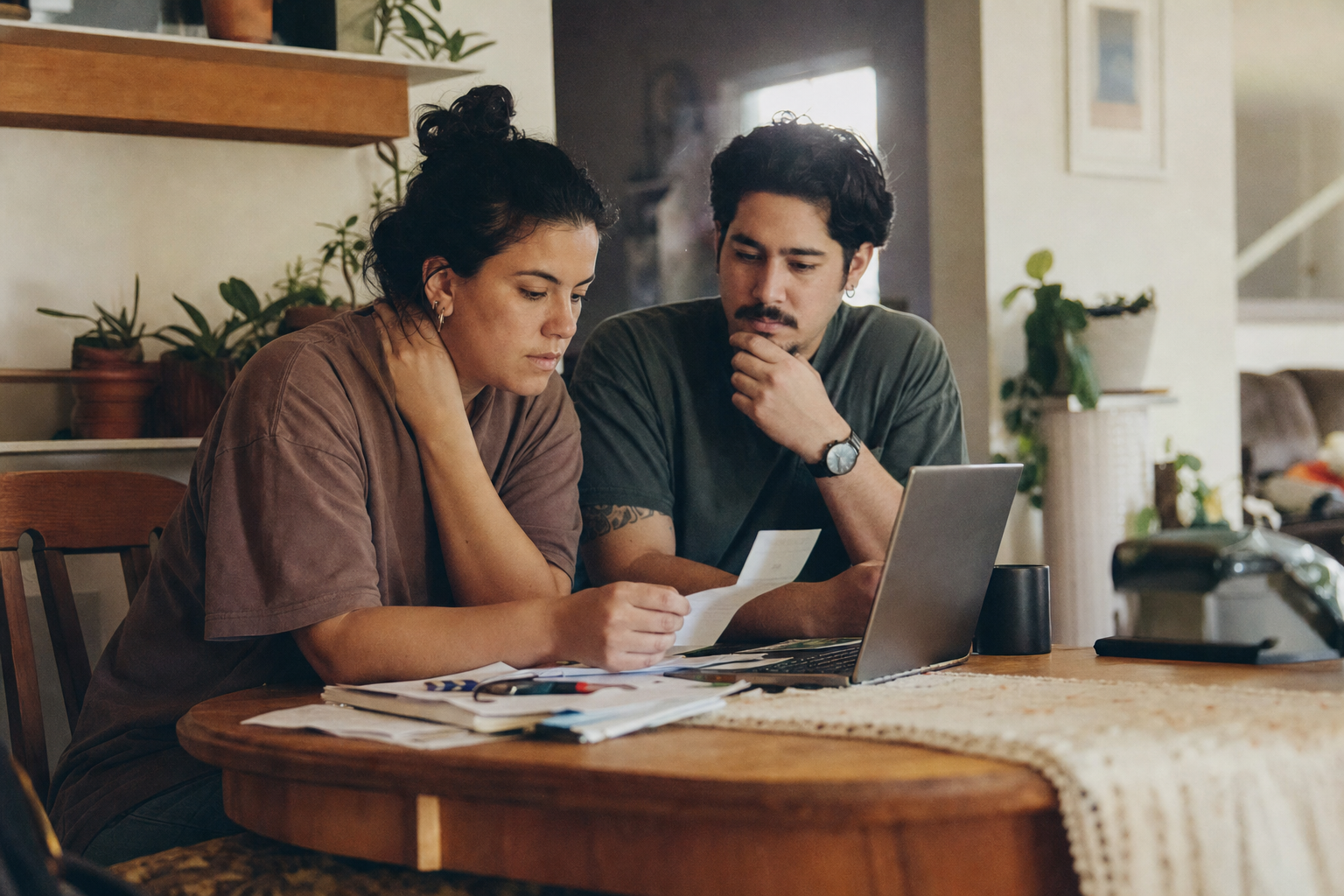
The Alvarados agreed to let us look at twelve months of their statements on the condition that we not print the bank's name, because Teresa said she did not want the bank to feel implicated. "It's not their fault," she said. "It's forty small yeses."
Forty was close. We counted thirty-four recurring charges: streaming, music, storage, a photo backup, two grocery memberships, a meditation app nobody had opened since March, car software that unlocked features already installed in the car, and a subscription to a razor company that had, over four years, delivered more razors than a person can plausibly dull.
Total: four hundred and eleven dollars a month. Their rent is fourteen hundred.
What's notable isn't the waste. Most of these services get used, and used happily. What's notable is the shape of the spending — no single line item large enough to argue about, and no moment at which anyone chose the total.
Ownership used to end. You bought a thing, the transaction closed, and the thing sat in your house being yours and slowly getting worse. Now most of what a household consumes is access, and access is a relationship, and relationships have to be maintained monthly or they stop.
Teresa canceled nine things in an afternoon and re-subscribed to two of them within a week, which she reported with the exact tone of a person confessing to a dessert.
The interesting number wasn't four hundred and eleven. It was the eleven minutes it took to cancel nine services, versus the four years it took to accumulate them. Everything in the system is built to make the first direction effortless.
“None of it felt like a decision. That is the design, and it is a good one, if you sell subscriptions.”
Otherwise Ordinary publishes original fiction and invented reporting. Names, places and businesses in this piece are made up.